The Lessons Learned about Lessons Learned Expert Forum was convened by the US Agency for International Development (USAID), Consortium for Capacity Building (CCB/CU), World Meteorological Organization (WMO), Turkish State Meteorological Service (TSMS), National Oceanic and Atmospheric Administration (NOAA), and Global Facility for Disaster Response and Recovery (GFDRR) from 10-13 February in Antalya, Turkey. It was aimed to discuss why the so-called “lessons” that are identified after a DRR response so often remain unused in future responses to similar hazard events. Why are organizations managing DRR projects today no differently they were decades ago? Is the lessons learned process broken? If so, how can it be fixed?

Various studies of hazards and disasters undertaken over decades contain direct or indirect references to lessons that had previously been identified but had apparently not yet been implemented only to be “rediscovered” following the next disaster. The need for improved awareness and understanding of the “lessons learning process” for DRR in a changing climate is critical as disasters increase even as response funding stagnates.
The forum focused on Lessons Learned about Lessons Learned on hydro-meteorological disaster risk reduction (DRR) and climate change adaptation (CCA). DRR and CCA communities share the overarching goal of creating resilient societies in the face of changing climate and environmental conditions. By bridging, better yet blending, their overlapping activities they can help reinforce each other by improving the efficiency and effectiveness more quickly and more sustainably of the outcomes of their projects and programs.
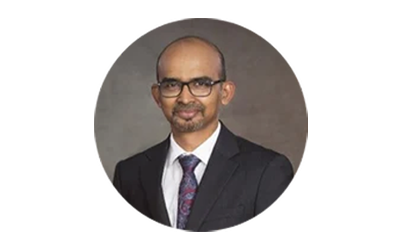
S.H.M Fakhruddin, IRDR SC member, was one of the presenters of the breakout session on “Early Warning Systems and DRR: Where the technical meets the social”. The session looks on how DRR case studies of hydromet warning systems were effective for various agencies, governments, NGOs. Fakhruddin is a hydrologist by training, and have 13 years working experiences in water engineering, climate and disaster risk management. In his blog, Fakhruddin shared his recent experience working in Pakistan on climate risk management assessment and training program for the government officials (See: S.H.M. Fakhruddin blogs on lessons learned from Pakistan flooding).
At the end of the forum, ninety participants from 43 countries, from government agencies, humanitarian organizations, NGOs, academic and applied science research institutions, practitioners and youth and young professionals released the Antalya Statement which identified six urgent but sustainable calls-to-actions. See The Antalya Statement.