DRR Practice from IRDR Young Scientists to close the gap between S&T at local level
19 May 2022
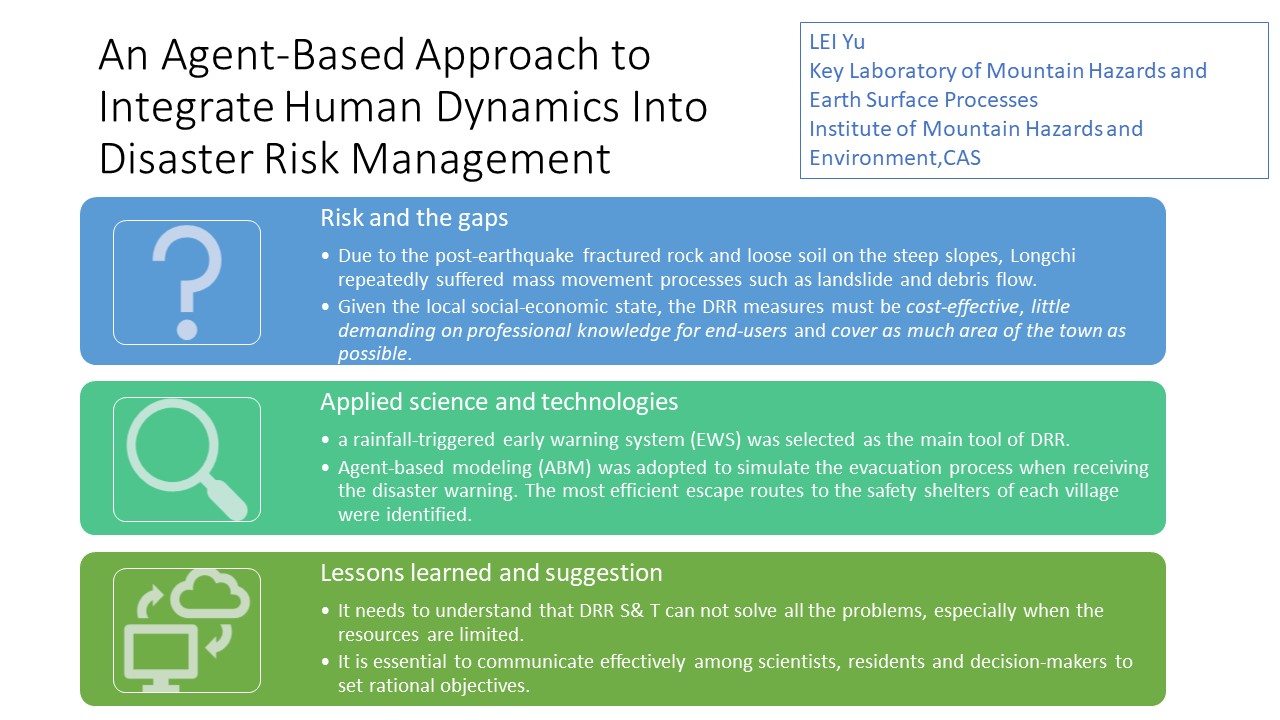
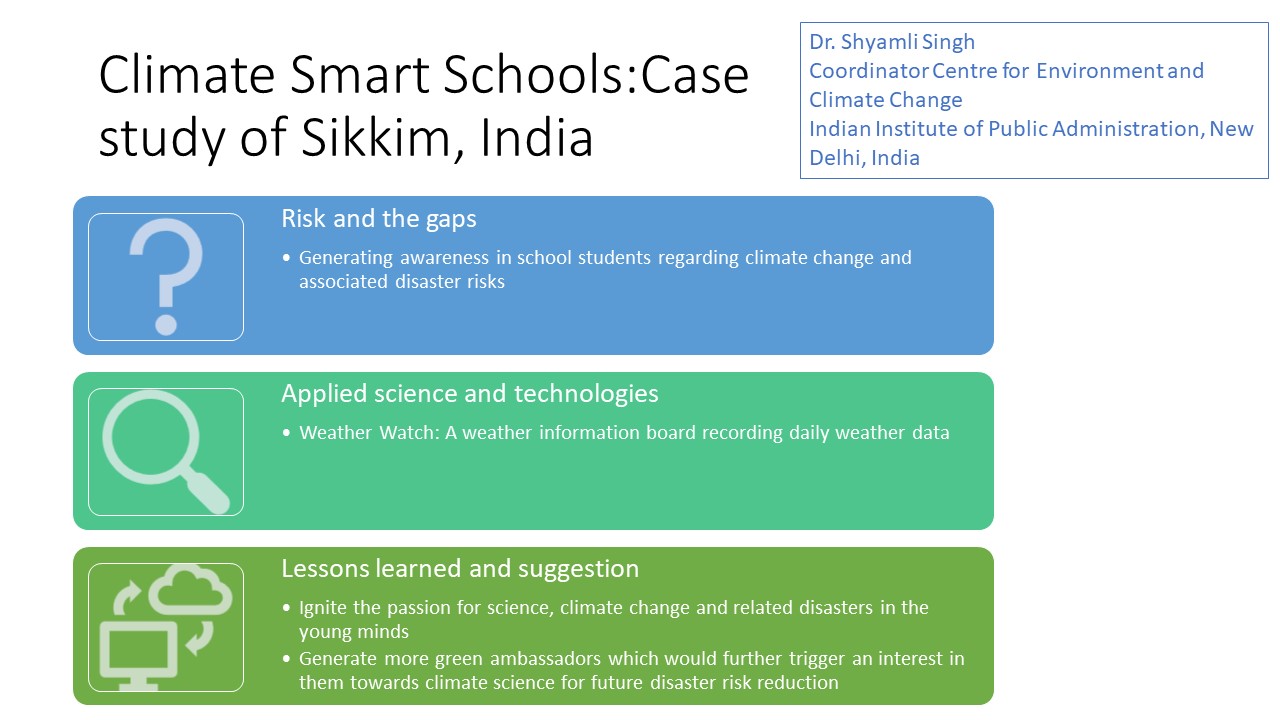
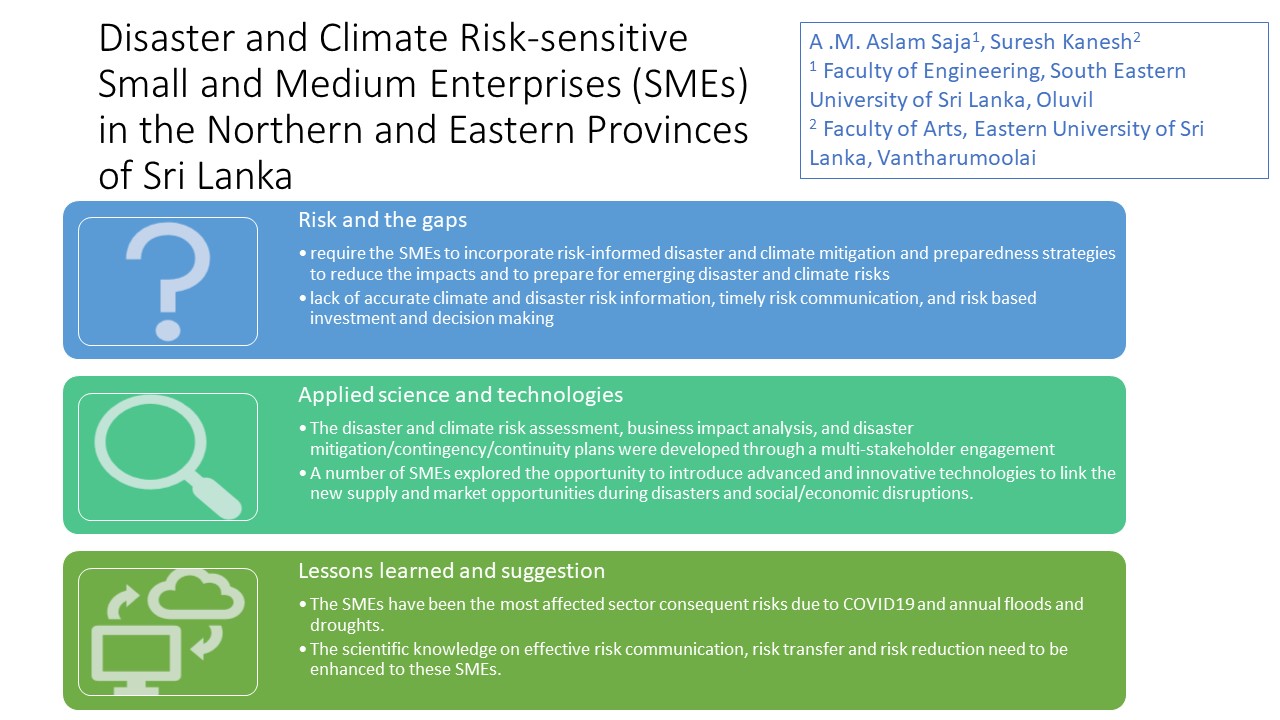
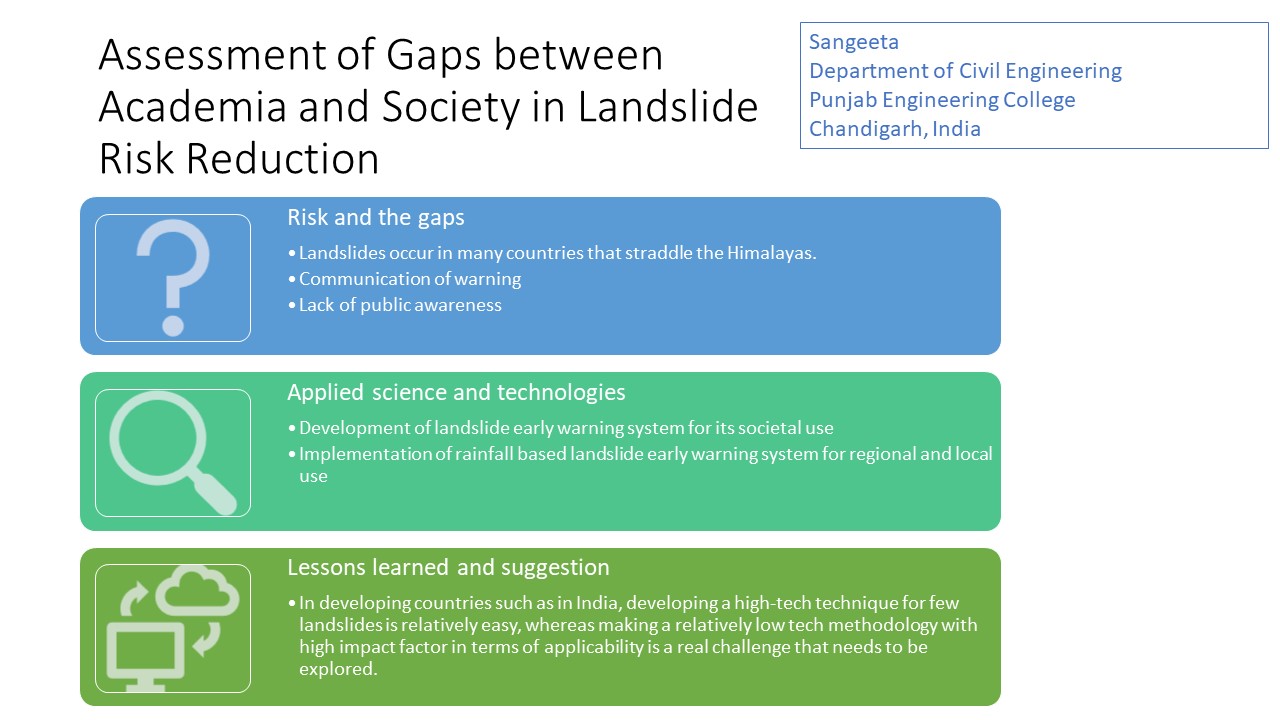
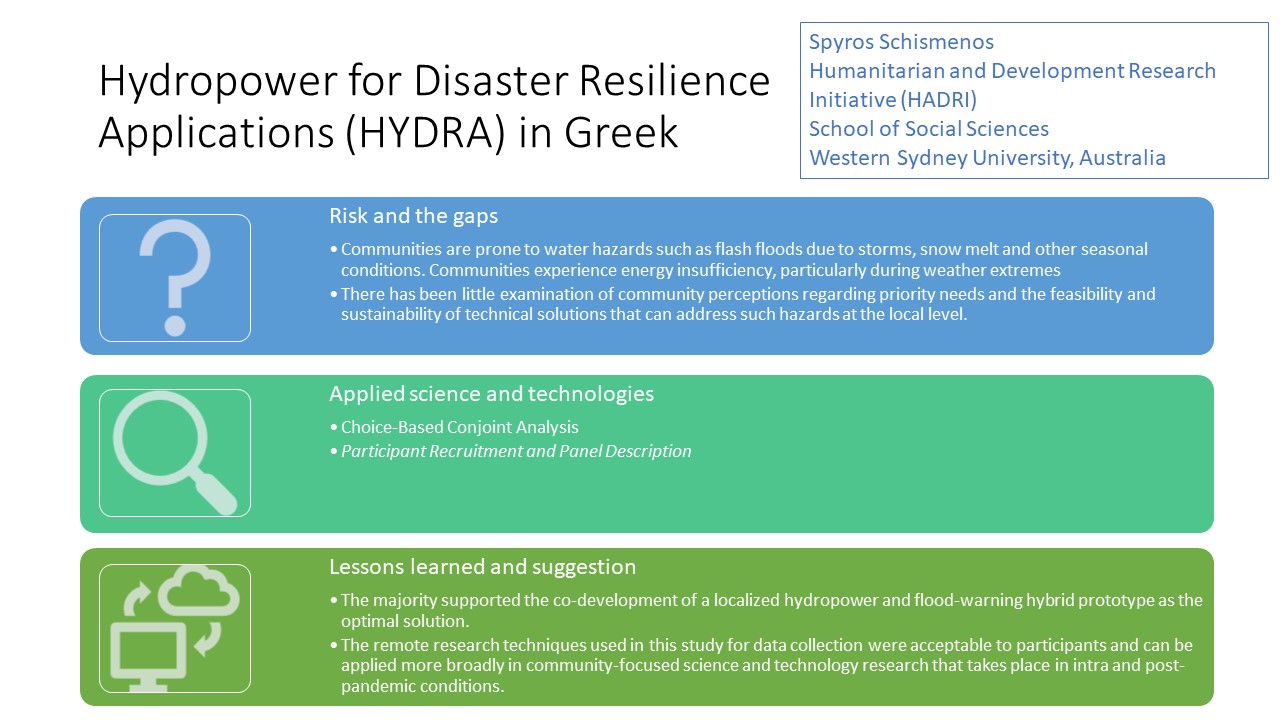
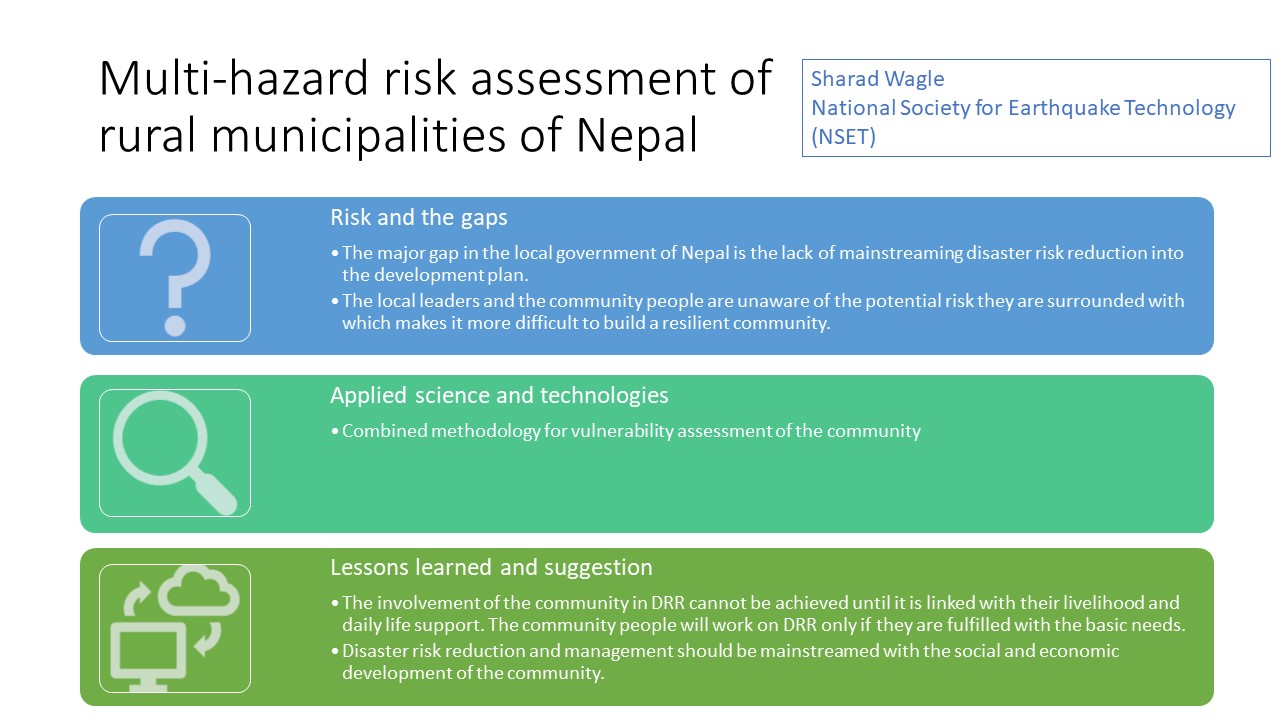
ISC and IRDR co-published a policy brief Closing the Gap between Science and Practice at Local Levels to Accelerate Disaster Risk Reduction and will be presented at 2022 Global Platform for Disaster Risk Reduction in Bali, Indonesia. As many of IRDR young scientists have worked closely with local government and local communities to provide scientific and technical support to improving the local resilience, IRDR invites them to share their stories and experiences. Due to the space limitations, not all cases can be selected in this policy brief. Thus, IRDR would like to present all the cases here briefly with key messages.
If you are interested with these cases, please contact with IRDR for more information at connect@irdrinternal.org


Related News & Events
14 September 2026
IRDR ICoE-CCOUC, in partnership with the Centre for Global Health (CGH) at the Chinese University of Hong Kong and the GX Foundation, invites interested persons to its upcoming hybrid public forum on field-based training for health professional students in HEDRM on Friday, 18 September 2026.
10 September 2026
This statement, titled "Advancing Science for Disaster Risk Reduction Towards 2030 and Beyond", in response to the mounting human and economic toll of disasters worldwide, calls for integrated, collaborative research, upstream preventive action, and science-to-policy mechanisms to accelerate implementation of the Sendai Framework.
08 September 2026
On 1 September 2026, IRDR held the webinar "Climate Change and Public Health: Connecting IRDR Research Teams". The event brought together IRDR researchers and partners to share progress, exchange knowledge, and explore collaboration opportunities under its climate change and public health workstream.