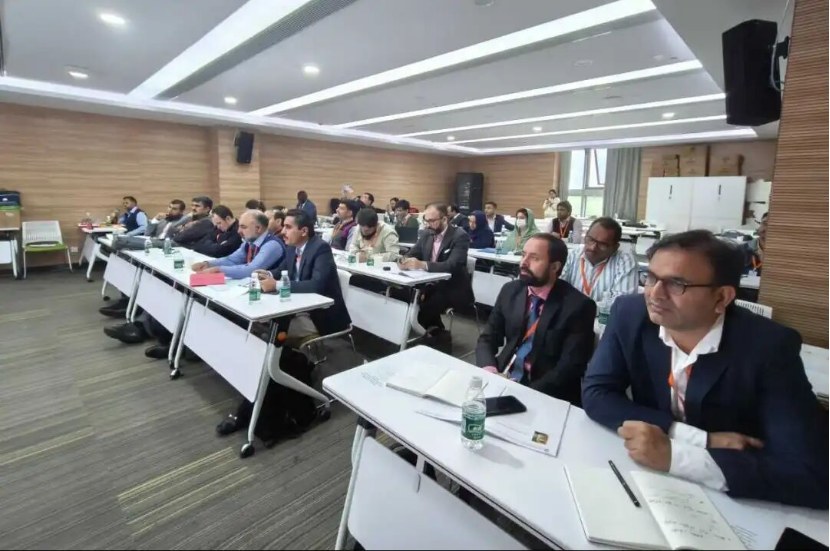
The Integrated Research on Disaster Risk (IRDR) programme co-organized the "Second Silk Road International Training Course on Disaster Risk Reduction and Sustainable Development," held from October 21 to November 4, 2025, in Chengdu. The training, jointly convened with the China-Pakistan Joint Research Center on Earth Sciences (CPJRC) and the UNESCO Chair for Mountain Disaster Risk Reduction and Resilience, successfully trained 30 participants from over a dozen countries, reinforcing IRDR's commitment to building scientific capacity in disaster-prone regions.
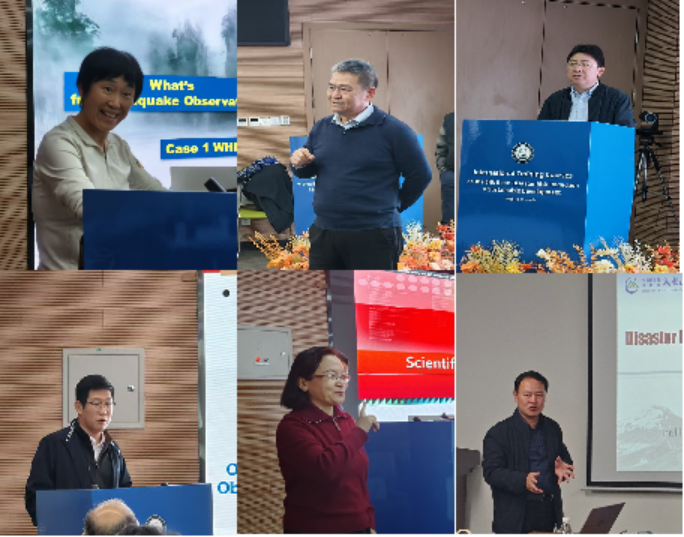
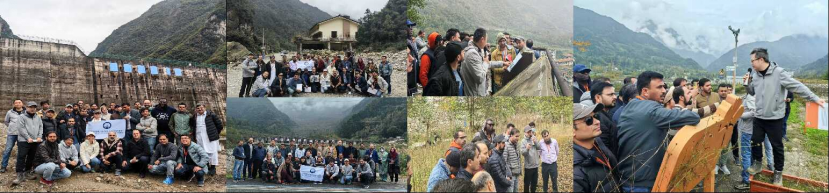
The curriculum addressed pressing global themes: "Climate Change and Natural Hazards," "New Technologies and Applications in Disaster Prevention and Mitigation," and "Disaster Risk Assessment and Sustainable Development." Key skills on disaster prediction, risk evaluation, engineering solutions, and monitoring systems were provided. IRDR Science Officer delivered a lecture on the detailed IRDR's integrated, transdisciplinary approach to disaster risk research and its pivotal work in supporting evidence-based policy for risk reduction globally and within the Belt and Road region. Dr. Yu Lei, the member of IRDR Scientific Committee, led the field visit on the debris flow monitoring systems, control engineering, impacts and resilience building.
In a strong demonstration of support for the next generation of DRR leaders, two IRDR Young Scientists were selected and received full financial support to participate in the training:
-Deepak Marahatta, male from Nepal, Chairperson, DEPO Nepal & Director, Mitra Disaster Risk Reduction Center
-Homa Bahmani, female from Iran, Professor of Research, School of Environment and Civil Engineering, Chengdu University of Technology
This training underscores IRDR's mission on institutional capacity building. By fostering scientific exchange and empowering young scientists, IRDR contributes directly to building a robust regional network for collaborative risk governance and sustainable development.
---Ends---